
The Fear Of Halloween – Samhainophobia
Halloween is often scary, with all the ghouls, witches, and skeletons lurking about, and it can be overwhelming if you have samhainophobia or the fear of Halloween.
This post contains affiliate links
Samhainophobia’s definition is an abnormal and irrational fear of Halloween or the fear of the dead festival.
Samhainophobia History And Facts
Samhainophobia, a term rooted in ancient pagan traditions, comes from “Samhain” or “Samhuin.” Samhain is a pagan religious festival which began from Celtic spiritual traditions.
The festival of Samhain was celebrated to mark the night before the Celtic New Year, October 31, and continued to November 1, welcoming the harvest and usher in the dark half of the year.
On the last day of the Celtic year, it was believed ghosts could walk among the living, both good and evil, as the barriers between the physical world and the spirit world broke down during Samhain.
The Samhain festival had fortune-telling, ritual sacrifices to their gods, included massive bonfires, and the people would wear costumes made from animal skin.
If you have suffered from at least six months of specific anxiety symptoms related to samhainophobia, you may meet the criteria for a samhainophobia diagnosis using the DSM-5.
There are many phobias which are considered anxiety disorders (e.g., fear of spiders, fear of flying, fear of driving, etc.)
What Causes Samhainophobia?
So, you might be wondering why you even fear a holiday to begin with. The holidays are supposed to be fun!
Many different factors could be triggering your samhainophobia, such as a traumatic or damaging experience related to Halloween, either in your childhood or as you started growing up.
There isn’t a distinct diagnosis in the DSM-5, but the fear of Halloween may meet the diagnostic criteria for a specific phobia.
Samhainophobia may be similar to the causes of other kinds of specific phobias.
Some related fears or phobias to Halloween are:
Arachnophobia – fear of spiders
Chiroptophobia – fear of bats
Coulrophobia – fear of clowns
Hemophobia – Fear of blood
Lupophobia – fear of werewolves
Maskaphobia – fear of masks
Nyctophobia – fear of the dark
Phasmophobia – fear of ghosts
Sanguivoriphobia – fear of vampires
Skelephobia – fear of skeletons
Wiccaphobia – fear of witches
For some, as soon as Halloween stores open and costumes and decorations are on display, their anxiety kicks into overdrive. The fight or flight response kicks in, which is the brain’s way of protecting you from trauma or negative situations.
Typically Halloween is celebrated at night, dark outside, and a child who is already afraid of the dark might not want to go outdoors.
Even knocking on a stranger’s door trick or treating can be scary and cause anxiety in some children.
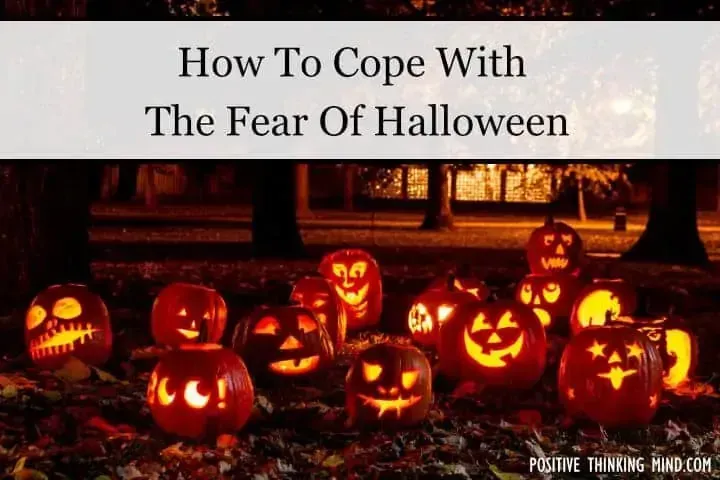
Pumpkin carving is a tradition many families participate in and is usually a lot of fun for kids. But putting a candle inside may create an eerie aura with the scary face looking back at a child leading to an adverse reaction.
Even popular scary movies and TV shows related to Halloween can put fears into your head. You may have a powerful imagination, and when the show is over, you may have an irrational fear; something is around the corner, in the other room, or under your bed.
As you are exposed to what frightens you and continuously scared each time, your anxious reactions become engrained within you and strengthened.
Symptoms of The Fear Of Halloween Phobia
Most children may not be able to know how to tell their parents what they are feeling. The fear of Halloween is real, and it must be taken seriously and not seen as irrational.
Here are common symptoms that must last for six months or longer to be diagnosed with a specific phobia according to the DSM-5.
shaking
nervousness or butterflies in your stomach
dry mouth
racing heart
nausea
panic attack
sweating
dizziness
shortness of breath
a feeling of impending doom
rapid breathing
avoiding anything having to do with Halloween
Overcoming The Fear Of Halloween
Halloween is one of the biggest holidays in the United States, and conquering your fear of Halloween is crucial as it may interfere with social activities, work, or school.
Generally, if your fear is mild, you may be able to cope with some basic techniques.
Breathing exercises or mindful meditation
Visualization – thinking about the event and successfully getting through the fearful situation
Have a support person with you when attending festivities
There are several ways to get help for your phobia and free yourself of panic if your fear is more severe. Seek out a therapist who will create a treatment plan to work you through your worries and help you get over your phobia.
Psychotherapy: Cognitive Behavioral Therapy is well documented for treating anxiety disorders. Your therapist will identify the negative thoughts that trigger your fight or flight reaction and teach you to change your thinking along with using CBT worksheets.
Online Therapy: Using online therapy can be a great way to connect to a therapist and work through your Halloween fear at home. Technology has advanced dramatically over the years, and it is usually cheaper than going to a therapist’s office.
Mindfulness Techniques: Using mindful meditation for anxiety will help you relax and let go. You will learn to control your breathing, thoughts, and feelings to cope with your concern.
Self-Education: Learn more about Halloween and how it became what it is today. The history is quite fascinating, and learning about the traditions may help desensitize you.
Medication: Using medications or anti-anxiety medication can help reduce your symptoms but will not cure your phobia or fears. If you decide to use medication, use it in conjunction with therapy to help you be more productive in coping with your worries.
Can You Get Over The Fear Of Halloween?
Can you get over the fear of Halloween? In a word, Yes. It takes time to get over Samhainophobia as it does any phobia or anxiety.
Gradually you will desensitize yourself to what triggers your fear and anxiety.
Seeing or thinking about witches, spiders, ghosts, and scary things of Halloween will be a thing of the past, and you will be able to join in the fun with others.
Related Posts and Phobias
Positive Thinking Mind
Master Life Coach
Certified life coach, course creator, YouTube and Podcast Creator, dedicated to transforming lives through personal growth, mental wellness, and nurturing a positive mindset. My mission is to make life better for individuals seeking self-improvement and confidence-building. About Me
You'll be handed a self-esteem-boosting set of tips and abilities, actions and best practices that can continually and repeatedly raise your self-image and self-esteem. You're capable of so much and deserve to be happy!
This is what differentiates winners from losers.
“The Power Of Positive Thinking” is the ultimate blueprint for people who want to progress further in life with a simple mindset switch.
Welcome to PositiveThinkingMind.com! We’re on a mission to bring solutions that shape people's lives through personal growth, mental wellness, a positive mindset and make life better. Let Your Light Shine!
PositiveThinkingMind.com is a participant in the Amazon Services LLC Associates Program, an affiliate advertising program designed to provide a means for sites to earn advertising fees by advertising and linking to amazon.com and affiliated sites.
Categories
Disclaimer: This site contains affiliate links, which means we earn a commission if you purchase through our link at no additional cost to you. Articles and information on this site is not medical advice. If you have mental problems, please talk to a doctor or therapist to get the help you deserve. Please read our full disclaimer .
Quick links
Newsletter
Subscribe now get tips.
© 2025 Positive Thinking Mind LLC